Guarding the Cold Chain: Advanced Quality Controls During El Niño Warm-Water Cycles
When sea surface temperatures rise during an El Niño event, marine supply chains face heightened operational scrutiny. In warm-water conditions, the window for raw material chilling closes faster, making onboard temperature management the single most critical factor in preventing bacterial growth and histamine formation.
Ecuador’s industrialized fishing sector enforces stringent protocols to ensure that every metric ton of tuna landed during an El Niño cycle meets the European Union’s strict health and safety standards.
1. Onboard Chilling Adjustments
During warm-sea periods, vessel engineers adjust chilling operations the moment nets are hauled:
- Pre-Chilled Brine Tanks: Brine wells are brought to sub-zero temperatures before fish handling begins, counteracting higher sea surface temperatures.
- Rapid Core Cooling: The target core temperature (-18 or lower) is reached in record time, locking in cell structure and halting bacterial histamine conversion.
2. Enhanced Plant Receiving Audits
Once vessels dock in Manta or Guayaquil, quality control (QC) teams execute heightened incoming inspection protocols:
- Histamine Testing (ELISA): Testing frequency increases across all raw material lots prior to unloading, ensuring levels remain well below the strict EU threshold (100ppm).
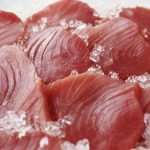
- Organoleptic Checks: Sensory audits verify meat firmness, color integrity, and the absence of thermal degradation.
| Parameter | Standard Operation | El Niño Protocol |
| Brine Tank Pre-Cooling | -10 -15 | -18 -20 (Accelerated pull-down) |
| Receiving Core Temp Target | -15 | -18 mandatory |
| Histamine Screening | Standard batch sampling | Double-composite sample verification |
3. Uncompromised Quality for European Importers
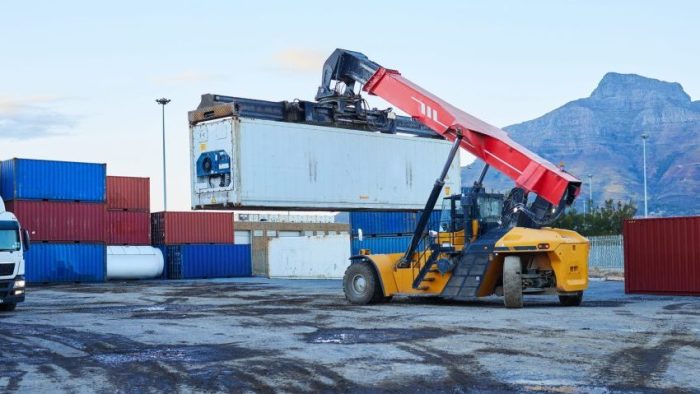
Thanks to automated cold chain monitoring and rigorous plant audits, tuna harvested during El Niño cycles arrives at European destination ports—such as Rotterdam, Antwerp, Valencia, and Algeciras—with zero compromise on shelf life, texture, or food safety compliance.
Review our safety audit protocols. [Contact our technical compliance team to receive copies of our latest HACCP reports and histamine lab analyses.]