Hedging Against Seafood Inflation: Using Ecuador’s Cold Storage Infrastructure as a Price Buffer
In volatile food commodity markets, price predictability is the ultimate competitive advantage. European seafood distributors frequently face margin squeezes when unexpected ocean closures, fuel spikes, or bad weather drive up spot market prices. Category managers who rely entirely on spot purchases risk losing retail contracts to competitors who locked in fixed long-term pricing.
Ecuador’s massive shore-based cold storage infrastructure acts as a financial buffer, allowing European importers to hedge against global market volatility and secure fixed-cost contracts year-round.
1. The Strategic Function of Port-Side Cold Storage
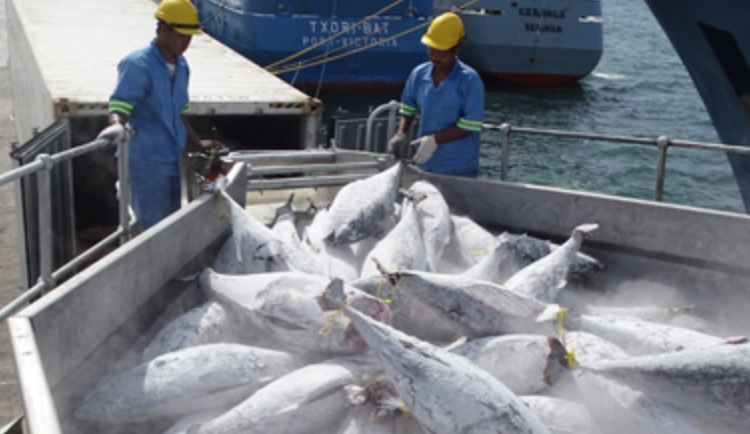
Ecuador houses over 200,000 metric tons of commercial cold storage capacity adjacent to its primary export docks in Manta, Guayaquil, and Posorja. During peak harvest seasons (when vessel landings are high and raw material costs drop), processing plants buy raw fish at scale and fill these ultra-cold vaults.
This inventory buffer provides European buyers with three critical financial advantages:
- Price Fixing: Allows exporters to offer 6-to-12-month fixed-price contracts to European buyers, regardless of short-term ocean catch fluctuations.
- Immediate Shipment On-Demand: Pre-processed loins and raw materials are held in reserve, cutting production lead times and allowing containers to ship within days of order confirmation.
- Buffer Against Ban Periods: Ensures that European buyers receive uninterrupted deliveries even during the official 64-day IATTC fleet ban periods.
2. Spot Market vs. Hedged Contracting
| Procurement Model | Market Risk Level | Supply Consistency | Margin Control |
| Spot Market Buying | High: Vulnerable to fuel spikes, seasonal bans, and global shortages. | Unpredictable: Risk of stockouts during low-catch months. | Volatile; margins shrink when spot costs jump. |
| Hedged Contract Buying | Low: Fixed FOB/CIF price locked for 6–12 months. | 100% Guaranteed: Inventory reserved in Ecuadorian cold storage. | Protected; predictable Cost of Goods Sold (COGS). |
3. Building a Risk-Free Import Strategy
To insulate your business from global seafood inflation, European purchasing directors should work with integrated Ecuadorian exporters to establish annual volume commitments. By allocating target volumes into reserved cold storage blocks, you guarantee stable prices and a secure supply line for your clients throughout the year.
Secure your fixed-price contract for the upcoming fiscal quarters. [Book a strategy meeting with our procurement desk to review our available cold storage allocations.]